 Remedio Natural Blog
 Herbalism, also known as phytotherapy or herbal medicine, represents one of the oldest and most widespread forms of medicine in the world. In essence, herbalism is the study and application of medicinal plants to prevent, relieve, or treat various ailments and promote overall health. Throughout history, in all cultures and civilizations, herbs have been the primary source of remedies, with knowledge passed down from generation to generation through oral tradition and, later, ancient texts. Today, with growing interest in natural ingredients and a holistic approach to wellness, herbalism is experiencing a significant resurgence, often complementing conventional medicine.
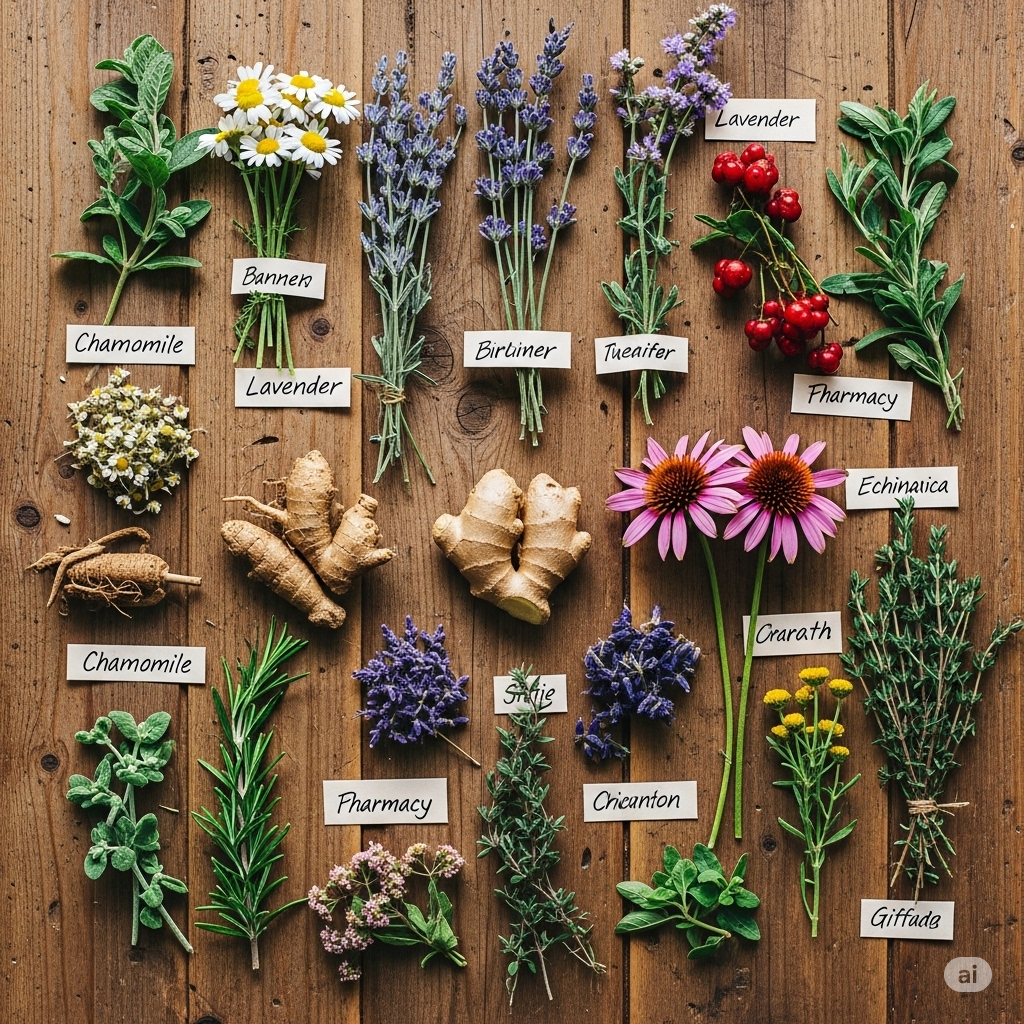
The understanding of what herbalism is goes beyond simply using random plants. It involves a deep knowledge of botany, pharmacology, plant chemistry (phytochemistry), and human physiology. Herbalists, or phytotherapists, consider the plant as a whole, with the complexity of its multiple active compounds, and seek to understand how these interact with the human body to restore balance and health. This comprehensive approach often distinguishes herbalism from modern pharmacology, which tends to isolate and synthesize specific compounds.
A fundamental characteristic of herbalism is its intrinsic connection to nature. Medicinal plants derive their therapeutic properties from the chemical compounds they naturally produce, such as alkaloids, flavonoids, tannins, essential oils, and many others. These compounds can have a wide range of effects on the body, from anti-inflammatory and analgesic to antimicrobial and antioxidant. The effectiveness of a medicinal plant can vary significantly depending on factors such as species, variety, growing conditions, harvest time, and processing method.
History and Evolution of Herbalism: A Millenary Legacy
The history of herbalism is intertwined with the very history of humanity. Archaeological evidence and written records from ancient civilizations such as Egyptian, Chinese, Indian, and Greek show a sophisticated knowledge and use of medicinal plants. The Ebers Papyrus (c. 1550 BC) from ancient Egypt, for example, describes hundreds of herbal remedies. Traditional Chinese medicine, with its thousands of years of history, heavily relies on complex herbal formulas. In ancient Greece, figures such as Hippocrates and Dioscorides laid the foundations of Western herbal pharmacology, describing numerous plants and their therapeutic uses in works like “De Materia Medica.”
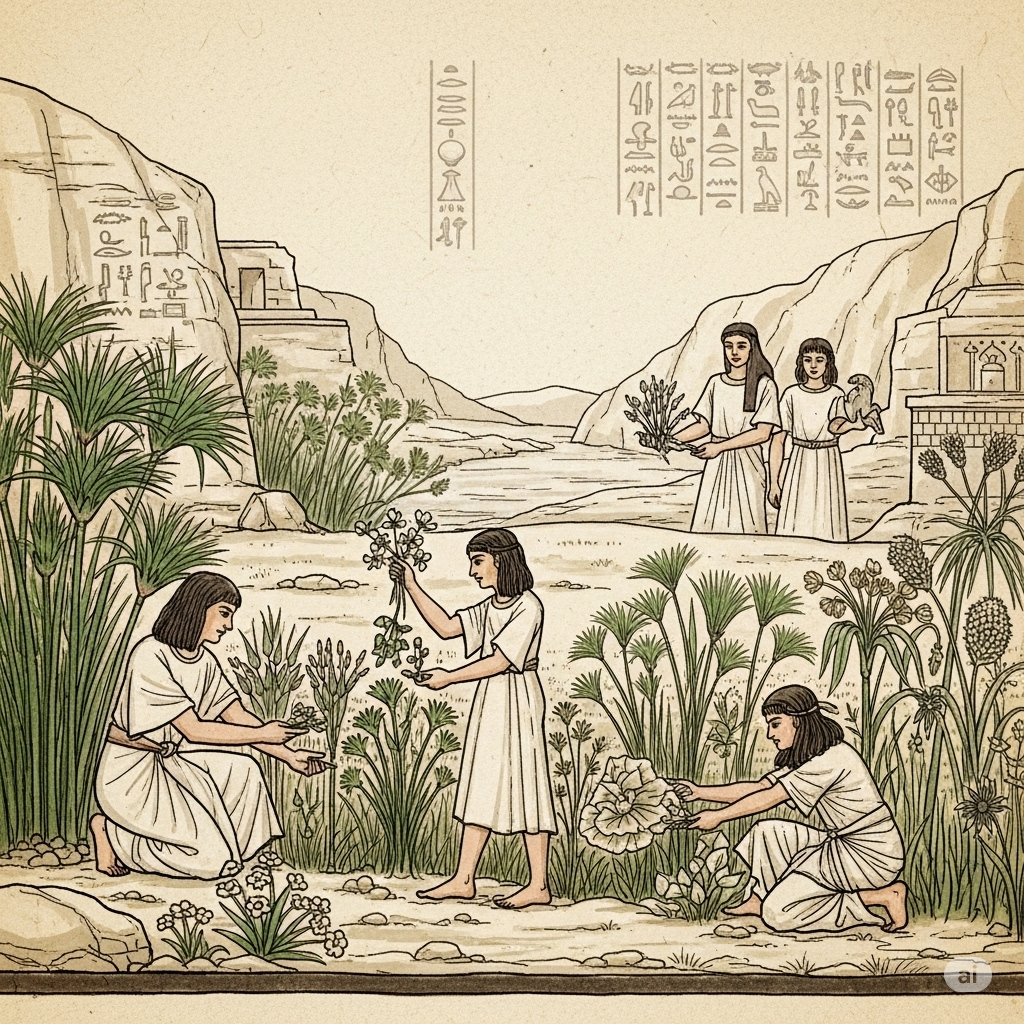
During the Middle Ages in Europe, monasteries played a crucial role in preserving and cultivating herbal knowledge. Monastic gardens were true living pharmacies, and monks transcribed and disseminated ancient texts on natural remedies. With the advent of modern science and pharmaceutical chemistry in the 19th and 20th centuries, herbalism declined in some parts of the Western world. However, it never disappeared completely, remaining alive through folk tradition and the work of dedicated herbalists.
In recent decades, we have witnessed a renewed global interest in herbal medicine. This resurgence is due to several factors, including increasing concern about the potential side effects of synthetic drugs, a desire for more natural and holistic health approaches, and greater availability of scientific information on the efficacy and safety of many medicinal plants. Modern research has begun to validate many traditional uses of herbs, identifying the active compounds responsible for their therapeutic effects and exploring their mechanisms of action.
How Herbalism Works: Active Principles and Synergy
The secret of the healing power of medicinal plants lies in their complex chemical composition. Each plant contains a variety of bioactive compounds that can act synergistically to produce broader and more balanced therapeutic effects than a single isolated compound. For example, a plant may contain compounds with anti-inflammatory, antioxidant, and analgesic properties, working together to relieve pain and promote healing.
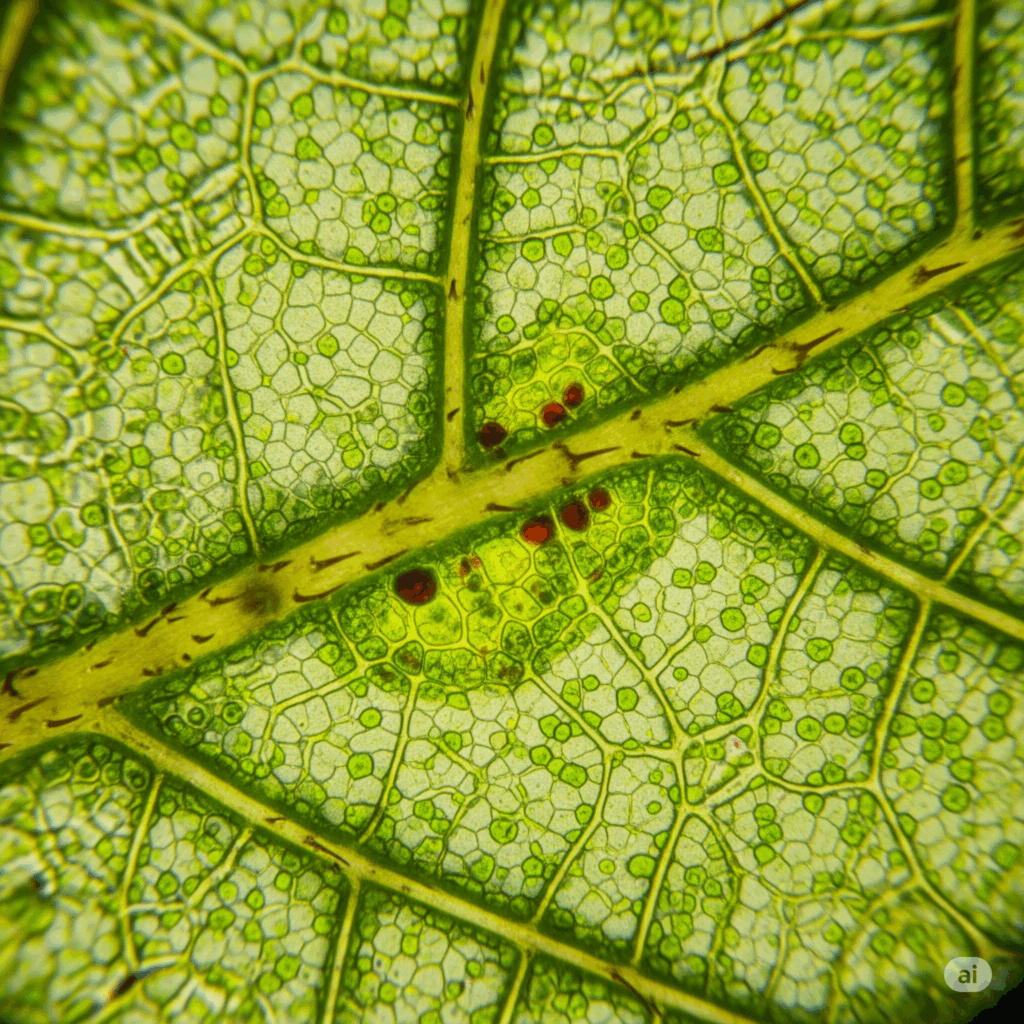
The main types of active principles found in herbs include:
- Alkaloids: Nitrogen-containing compounds with potent physiological effects (e.g. caffeine, morphine, quinine).
- Flavonoids: Plant pigments with antioxidant and anti-inflammatory properties (e.g. quercetin, rutin).
- Tannins: Polyphenolic compounds with astringent and antioxidant properties.
- Saponins: Glycosides with foaming properties that can affect nutrient absorption and have expectorant effects.
- Terpenoids and Essential Oils: Volatile compounds with characteristic aromas and various therapeutic properties (e.g. menthol, eucalyptol, limonene).
- Polysaccharides: Complex carbohydrates with immunomodulatory and prebiotic effects.
- Organic Acids: Compounds that can influence metabolism and have antimicrobial properties.
Synergy among these compounds is a key concept in herbalism. The combination of different active principles in a plant can enhance their individual effects and reduce the likelihood of side effects, compared to using a single isolated compound in high doses. This complexity is what often makes herbal medicine gentler and more holistic in its action.
Forms of Use and Preparation of Herbal Remedies
Medicinal plants can be used in various forms, depending on the plant, the condition being treated, and the specific herbal tradition. Some of the most common methods of use and preparation include:
- Infusions: Prepared by pouring hot water over the soft parts of the plant (flowers, leaves) and letting them steep. Ideal for extracting water-soluble compounds.
- Decoctions: The harder parts of the plant (roots, stems, bark) are boiled in water for a certain period to extract their active principles.
- Tinctures: Herbs are macerated in a solution of alcohol and water to extract a wide range of compounds. They are concentrated and have a long shelf life.
- Capsules and Tablets: Contain powdered herbs or dry extracts, offering a precise and convenient dose.
- Ointments and Creams: Topical preparations containing herbal extracts in a fatty or aqueous base to treat skin conditions.
- Poultices and Plasters: Crushed or cooked herbs applied directly to the skin to relieve pain or inflammation.
- Essential Oils: Concentrated aromatic plant extracts used in aromatherapy, massage, or diluted for topical applications.

The choice of preparation method influences the quantity and type of active principles extracted from the plant, so it is important to follow appropriate guidelines for each herbal remedy.
Benefits and Considerations of Herbalism
Herbalism offers a wide range of benefits for health and well-being. Medicinal plants can be used to:
- Support organ function: Some herbs have tonic properties that strengthen and nourish specific organs such as the liver, kidneys, or digestive system.
- Relieve symptoms: Many herbs can help alleviate common symptoms such as headache, stomach discomfort, insomnia, or anxiety.
- Strengthen the immune system: Certain plants contain compounds that can stimulate the body’s natural defenses.
- Promote healing: Some herbs have anti-inflammatory, antimicrobial, or healing properties that can aid in the recovery from illness or injury.
- Emotional and mental support: Aromatherapy with essential oils and certain herbs can have positive effects on mood and mental well-being.

However, it is crucial to approach herbalism with knowledge and caution. Although natural ingredients are often perceived as inherently safe, some plants can have side effects, interact with conventional medications, or be contraindicated in certain health conditions such as pregnancy or breastfeeding. It is essential to obtain information from reliable sources, such as qualified herbalists, reference books, or scientific research, before using herbal remedies.
Additionally, the quality and source of medicinal plants are important. Herbs should be grown or harvested sustainably, and processed and stored properly to preserve their potency and avoid contamination.
The Future of Herbalism: Integration and Science
Herbalism has a promising future, marked by growing integration with modern science and conventional medicine. Phytochemical and pharmacological research continues to discover new active principles and validate traditional uses of medicinal plants. The standardization of herbal extracts and the conduction of rigorous clinical trials are providing a stronger scientific foundation for phytotherapy.
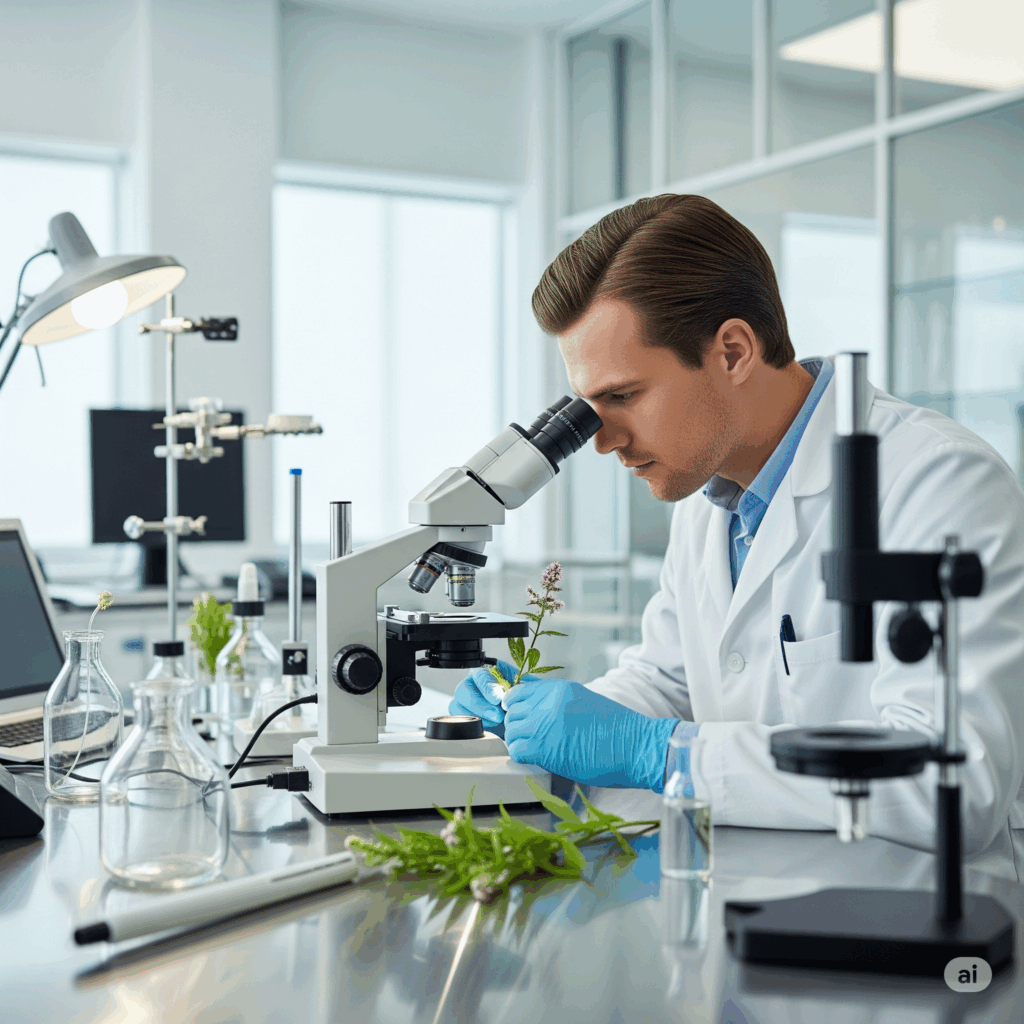
In many countries, herbalism is increasingly recognized as a valuable form of complementary and alternative medicine (CAM). Collaboration among herbalists, doctors, and scientists can lead to a more integrative approach to health, leveraging the benefits of both conventional medicine and herbal medicine.
In conclusion, herbalism is much more than simply using plants. It is a complex and ancestral system of knowledge that recognizes the healing power of nature. With a deep understanding of medicinal plants, their active principles, and their applications, we can harness the benefits of natural medicine to promote comprehensive health and well-being.
Bibliographic References
- Balch, P. A. (2010). Prescription for Herbal Healing: An Easy-to-Use A-to-Z Reference to Hundreds of Common Disorders and Their Herbal Remedies.1 Avery.
- Hoffmann, D. (2003). Medical Herbalism: The Science and Practice of Herbal Medicine. Healing Arts Press.
- Gladstar, R. (2001). Rosemary Gladstar’s Herbal Recipes for Vibrant Health: 175 Teas, Tonics, Oils, Salves, Foods, and Other Herbal Remedies for Everyday Well-Being. Storey Publishing.
- Tilgner, S. M. (2009). Herbal ABC’s: The Everyday Guide to Natural Health with Herbs. Wise Acres Publishing.
- Winston, D., & Maimes, S. (2007). Adaptogens: Herbs for Strength, Stamina, and Stress Relief. Healing Arts Press.